The city that spans two continents and where east meets west.
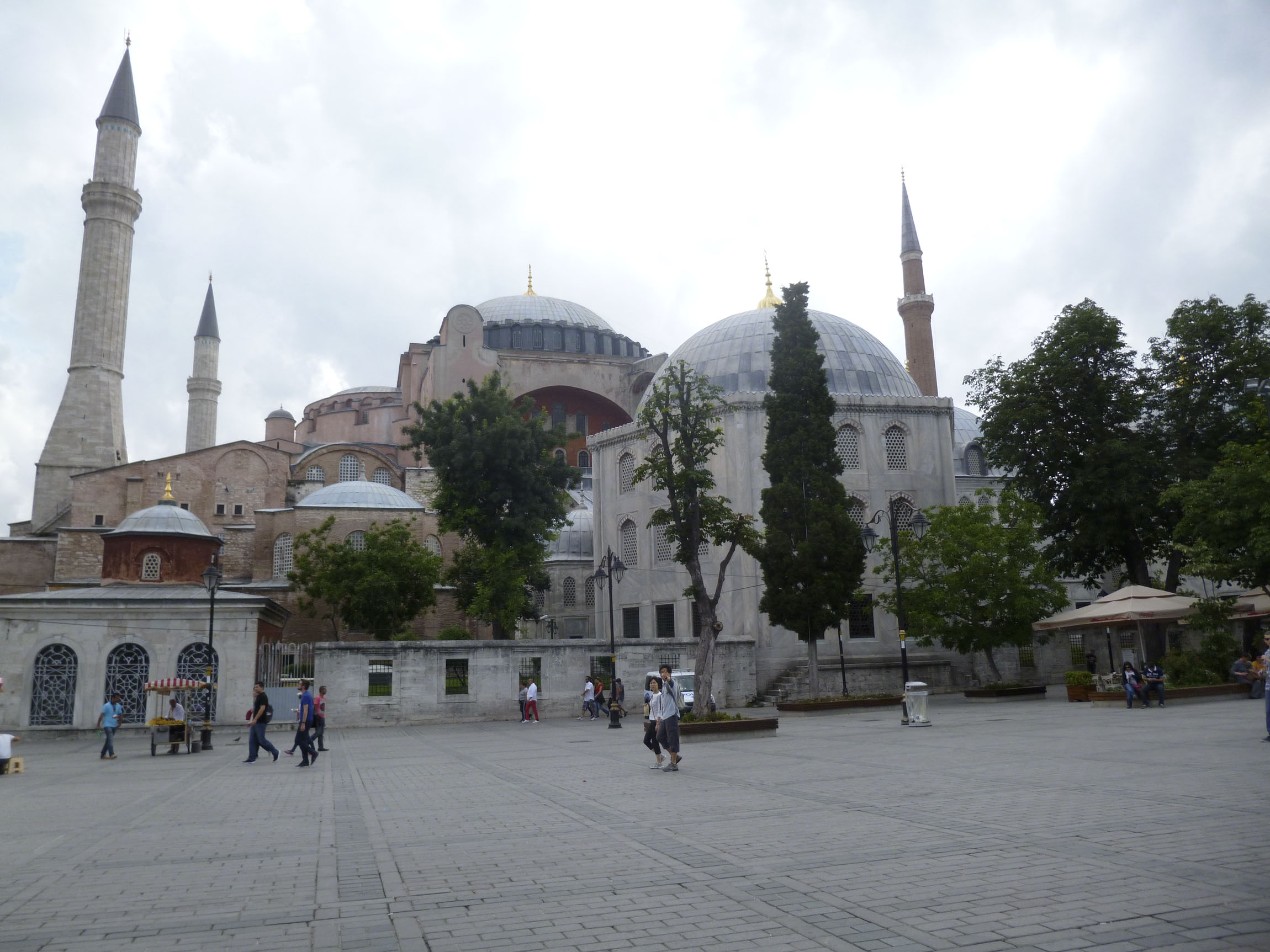
Istanbul is a major city in Turkey that straddles Europe and Asia across the Bosphorus Strait. Its Old City reflects cultural influences of the many empires that once ruled here. In the Sultanahmet district, the open-air, Roman-era Hippodrome was for centuries the site of chariot races, and Egyptian obelisks also remain. The iconic Byzantine Hagia Sophia features a soaring 6th-century dome and rare Christian mosaics.
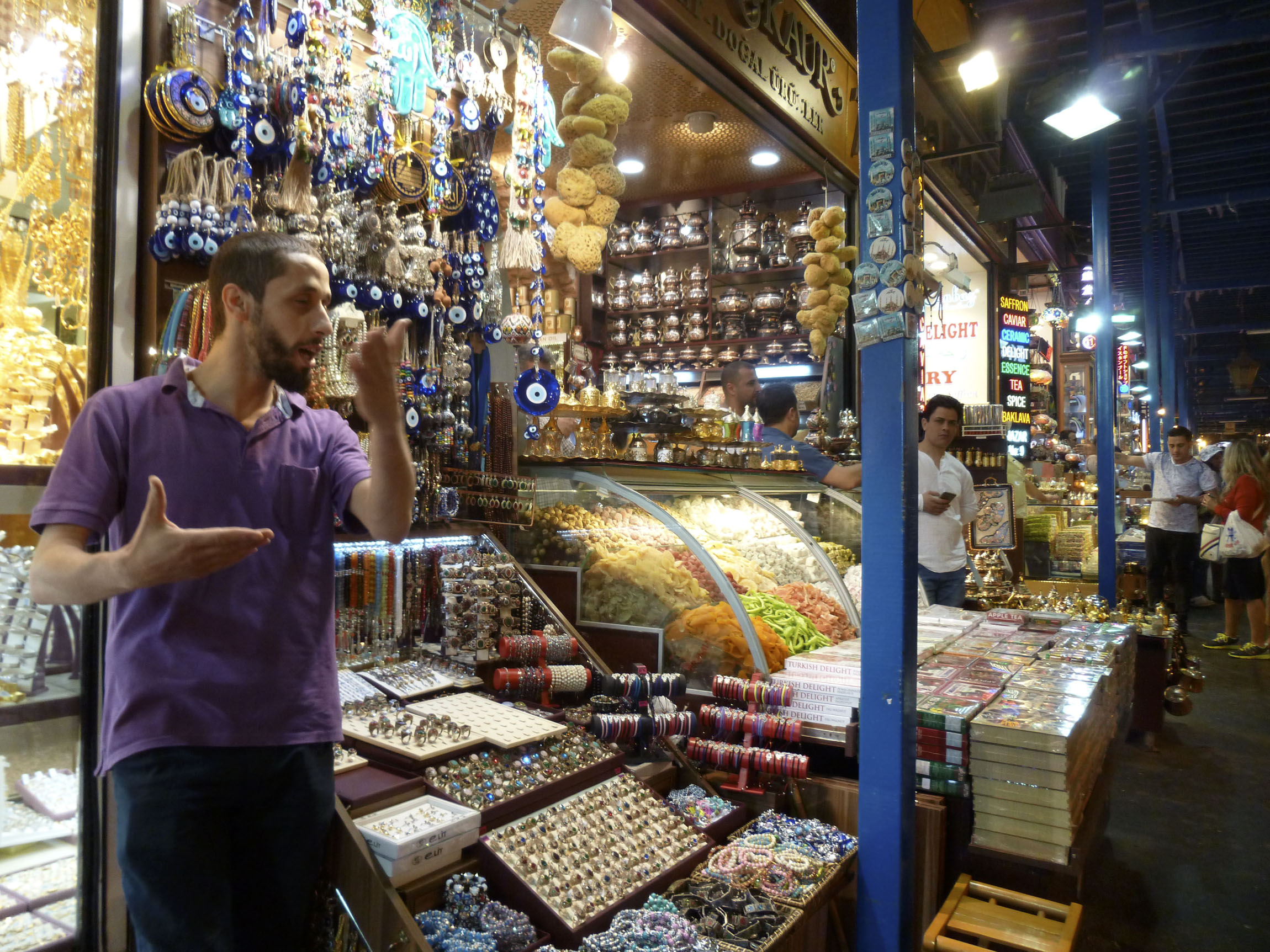
Istanbul has numerous shopping centres, from the historic to the modern. The Grand Bazaar, in operation since 1461, is among the world’s oldest and largest covered markets. Mahmutpasha Bazaar is an open-air market extending between the Grand Bazaar and the Egyptian Spice Market, which has been Istanbul’s major spice market since 1660.
Galleria Ataköy ushered in the age of modern shopping malls in Turkey when it opened in 1987. Since then, malls have become major shopping centres outside the historic peninsula. Akmerkez was awarded the titles of “Europe’s best” and “World’s best” shopping mall by the International Council of Shopping Centers in 1995 and 1996; İstinye Park in İstinye and Zorlu Centre near Levent are among the newest malls which include the stores of the world’s top fashion brands. Abdi İpekçi Street in Nişantaşı and Bağdat Avenue on the Anatolian side of the city have evolved into high-end shopping districts.
Istanbul is famous for its historic seafood restaurants. Many of the city’s most popular and upscale seafood restaurants line the shores of the Bosphorus (particularly in neighborhoods like Ortaköy, and Bebek. Kumkapı along the Sea of Marmara has a pedestrian zone that hosts around fifty fish restaurants. The Prince Islands, 15 kilometres from the city centre, are also popular for their seafood restaurants. Because of their restaurants, historic summer mansions, and tranquil, car-free streets, the Prince Islands are a popular vacation destination among Istanbulites and foreign tourists. Istanbul is also famous for its sophisticated and elaborately-cooked dishes of the Ottoman cuisine. However, following the influx of immigrants from southeastern and eastern Turkey, which began in the 1960s, the foodscape of the city has drastically changed by the end of the century; with influences of Middle Eastern cuisine such as kebab taking an important place in the food scene. Restaurants featuring foreign cuisines are mainly concentrated in the Beyoğlu, Beşiktaş, Şişli and Kadıköy districts.
Istanbul is famous for its nightlife, as well as its historic taverns, a signature characteristic of the city for centuries if not millennia. Along the İstiklal Avenue is the Çiçek Pasajı, now home to wine houses (known as meyhanes), pubs, and restaurants. İstiklal Avenue, originally famous for its taverns, has shifted toward shopping, but the nearby Nevizade Street is still lined with wine houses and pubs. Some other neighborhoods around İstiklal Avenue have recently been revamped to cater to Beyoğlu’s nightlife, with formerly commercial streets now lined with pubs, cafes, and restaurants playing live music.